This document does not change, create, amend or suggest deviations to the Transportation of Dangerous Goods Regulations (TDG Regulations).
On this page
- Lithium batteries
- Types of lithium batteries and cells
- Risks related to the transportation of lithium batteries
- Regulations to follow for shipping and importing
- Domestic transport by aircraft
- Shipping or importing internationally by air
- Shipping by vessel
- Importing by any mode of transport
- Determining the energy rating and lithium content of batteries
- Compliance with the TDG Act and Regulations
- Contact us
Lithium batteries
In this document, the term lithium batteries is used to refer to both lithium-ion and lithium metal batteries.
Lithium batteries are dangerous goods, much like gasoline, propane, and sulphuric acid. They are used in many electronic devices such as cameras, cell phones, laptop computers, medical equipment and power tools.
To ship or import lithium batteries, including those contained in or packed with devices and equipment, you must:
- declare the batteries to postal carriers, couriers or transport companies as part of the contents
- meet all shipping requirements in the TDG Regulations
Types of lithium batteries and cells
Cells versus batteries
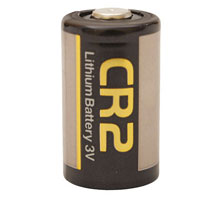
As defined in the United Nations Manual of Tests and Criteria Rev.08 (UN Manual), a “cell means a single encased electrochemical unit (one positive and one negative electrode) which exhibits a voltage differential across its two terminals, and may contain protective devices”.
What we call AA batteries and AAA batteries are actually cells.
Figure 1: common types of lithium cells
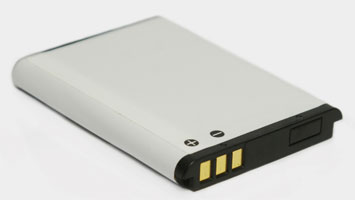

As defined in the UN Manual, a “battery means two or more cells or batteries which are electrically connected together and fitted with devices necessary for the use, for example, case terminals, markings and protective devices”.
Figure 2: common type of battery
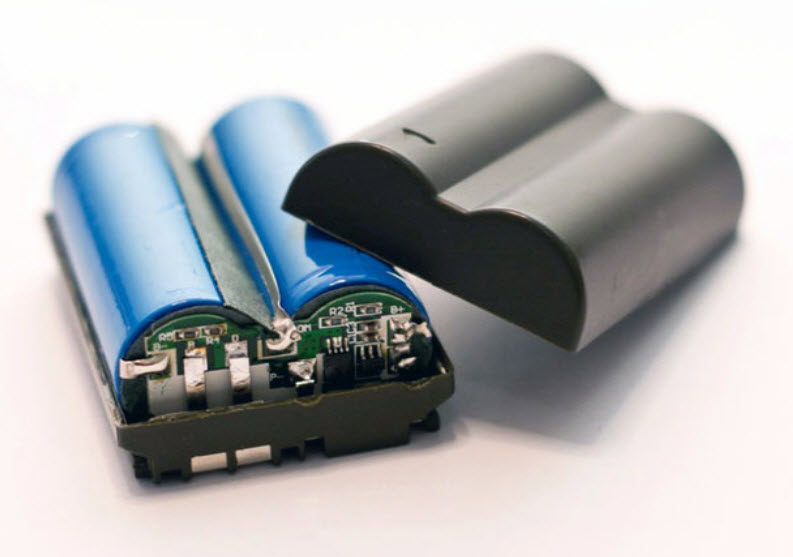
Battery packs, modules or battery assemblies manufactured to provide a source of power to another piece of equipment are treated as batteries in the TDG regulations.
Lithium metal versus lithium-ion batteries
A lithium metal battery:
- is usually non-rechargeable
- contains metallic lithium
- features a higher energy density than other non-rechargeable batteries
Lithium metal batteries are often used in calculators, pacemakers, remote car locks and watches, to name a few.
A lithium-ion battery:
- is rechargeable
- doesn’t contain metallic lithium
- features high energy density
A lithium polymer battery is considered a type of lithium-ion battery. Lithium-ion batteries are used in consumer products such as cell phones, electric vehicles, laptop computers, power tools and tablets.
Contained in equipment versus packed with equipment
A lithium-ion or metal battery contained in equipment means that the battery is fitted or joined to the actual device. Examples include a calculator, a laptop computer or a watch with an integrated lithium battery.
A lithium-ion or metal battery packed with equipment is not fitted or joined to the device. An example would be a power tool packed alongside a spare battery.
Risks related to the transportation of lithium batteries
While most lithium batteries are safe, some might overheat and catch fire. Once ignited, they can cause any nearby batteries to overheat and catch fire. These fires are difficult to extinguish and produce toxic and irritating fumes.
You should consider certain risks when shipping lithium batteries or devices containing lithium batteries. It is important that the consignor declares any lithium batteries or devices containing them and ensures that the shipment complies with regulations by using approved packaging, protecting terminals, preventing devices from activating, etc.
Counterfeit, low quality or no-brand lithium batteries are also of concern because they may not have been safety tested. These lithium batteries may be poorly designed, have little protection, or contain manufacturing flaws.
Regulations to follow for shipping and importing
Transport Canada regulates the safe handling, offering for transport, transporting and importing of lithium batteries by specifying classification, documentation, labelling, packaging and training requirements.
All designs and types of lithium batteries must meet the requirements of the UN Manual to be shipped safely.
Shippers and importers must meet the requirements set out in the TDG Regulations for the handling, offering for transport, transporting and importing of lithium batteries in Canada. The requirements vary by mode of transport.
Lithium batteries are subject to rigorous testing according to the UN Manual. If a lithium battery does not meet the conditions, then the manufacturer must correct any failures and have it retested. This ensures a higher level of safety for design deficiencies or flaws.
The UN Manual lists eight tests, which varies depending on the type and design of lithium battery.
It is forbidden to transport by aircraft any batteries that are:
- damaged
- defective
- recalled
- recycled
This ban applies whether or not these lithium batteries are contained in equipment.
Domestic transport by aircraft
When shipping lithium batteries within Canada by aircraft, the TDG Regulations let you:
- comply with the latest International Civil Aviation Organization (ICAO) Technical Instructions and some additional requirements of the TDG Regulations
or
- use the alternative requirements listed under sections 12.10, 12.12, 12.13, 12.14 or 12.17 when the ICAO Technical Instructions limit or restrict the quantity or type of dangerous goods that you can transport
Shipping or importing internationally by air
When shipping or importing lithium batteries internationally by aircraft, Part 12 of the TDG Regulations requires you to comply with the ICAO Technical Instructions and some additional requirements of the TDG Regulations.
Please see Part 12 of the TDG Regulations to learn more.
Shipping by vessel
Please refer to Part 11 of the TDG Regulations for requirements related to marine transport.
Importing by any mode of transport
When importing lithium batteries, you must comply with the TDG Regulations, which specifies the requirements for classification, documentation, labelling, packaging and training. By complying with these requirements, you are informing everyone involved in the transportation of the shipment of the presence of lithium batteries or devices containing them.
Make sure that the lithium batteries in your shipment are not counterfeit before importing them into Canada. Buy lithium batteries from a reputable manufacturer or distributor that has documented proof that the batteries have been tested and meet the UN Manual.
You are also required to have a proof of classification, which is further explained in Section 2.2.1 of the TDG Regulations.
Determining the energy rating and lithium content of batteries
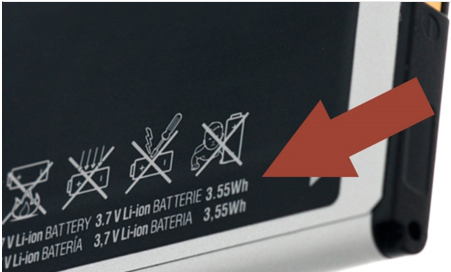
The TDG Regulations regulate lithium-ion batteries based on their watt-hour (Wh) rating or amount of energy.
When a person uses the lithium-ion batteries exemption on a road vehicle, a railway vehicle or a vessel on a domestic voyage in accordance with special provision 34 of the TDG Regulations, the amount of energy (Wh) rating must appear on the battery case if it was made on or after January 1, 2009. If the amount of energy (Wh) rating is not indicated on the lithium-ion battery case, then all requirements set out in the TDG Regulations must be met.
Figure 3: amount of energy (Wh) rating on a battery case
Calculate the amount of energy (Wh) rating
If the amount of energy (Wh) rating does not appear on the battery case, you can calculate it using one of the formulas below:
- if you know the nominal voltage (V) and the capacity in ampere-hour (Ah), use:
Amount of energy (Wh) = (V) x (Ah) - if you know the nominal voltage (V) and the capacity in milliampere-hour (mAh), use:
Amount of energy (Wh) = (V) x (mAh ÷ 1000)
If you are still not sure what your lithium battery’s amount of energy (Wh) rating is, contact its manufacturer.
Calculate the lithium content
You can calculate the lithium content, in grams (g), of a lithium metal cell with one of the formulas below:
- if you know the battery's capacity in ampere-hour (Ah), use:
Grams (g) lithium metal = (Ah) x 0.3 - if you know the capacity in milliampere-hour (mAh), use:
Grams (g) lithium metal = (mAh ÷ 1000) x 0.3
To calculate the lithium content of the battery, simply multiply the grams (g) of lithium metal by the number of cells in the battery.
Compliance with the TDG Act and Regulations
Failure to comply with the TDG Act and TDG Regulations may lead to fines and/or imprisonment. For more information, you can visit the TDG website and the Department of Justice website.
Contact us
For any regulatory questions, please contact us.