Regional Transportation Systems
Canada’s transportation system is composed of unique regional transportation networks which have their own characteristics, challenges and opportunities. For more detailed regional maps (1 to 4), refer to Annex.
Canada’s transportation system is composed of unique regional transportation networks which have their own characteristics, challenges and opportunities. For more detailed regional maps (1 to 4), refer to Annex.
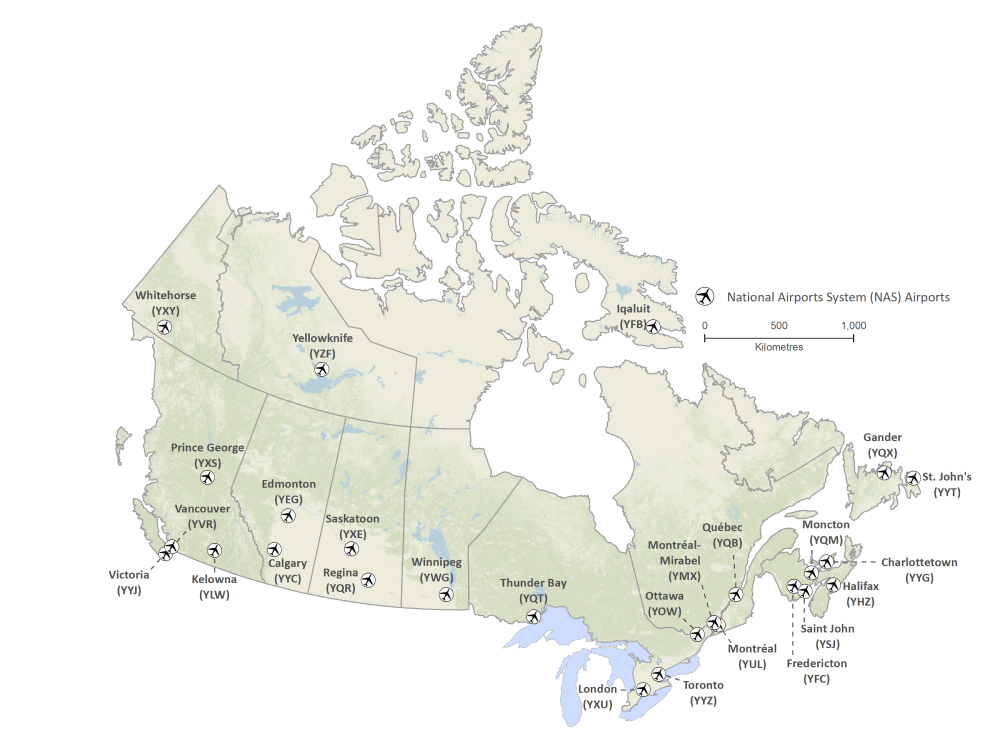
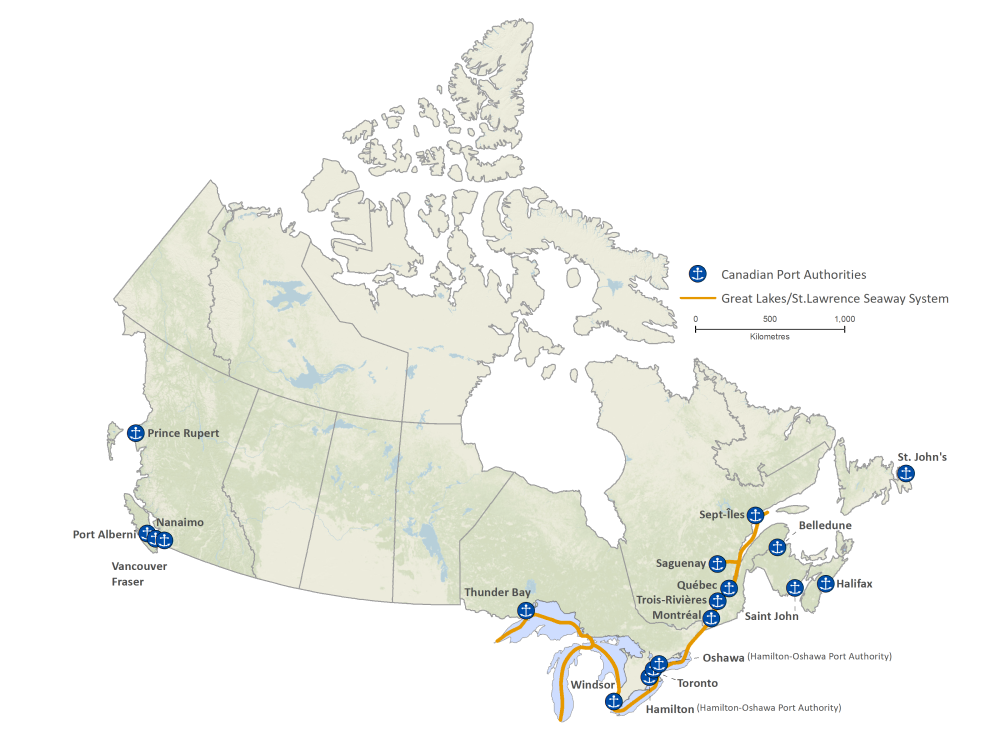
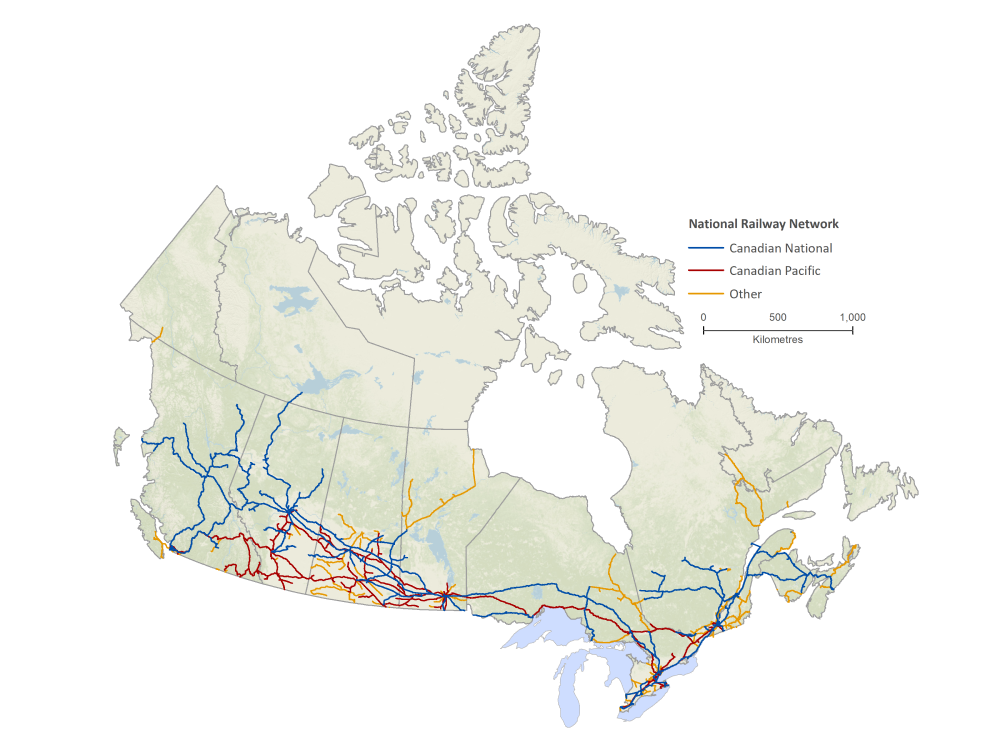
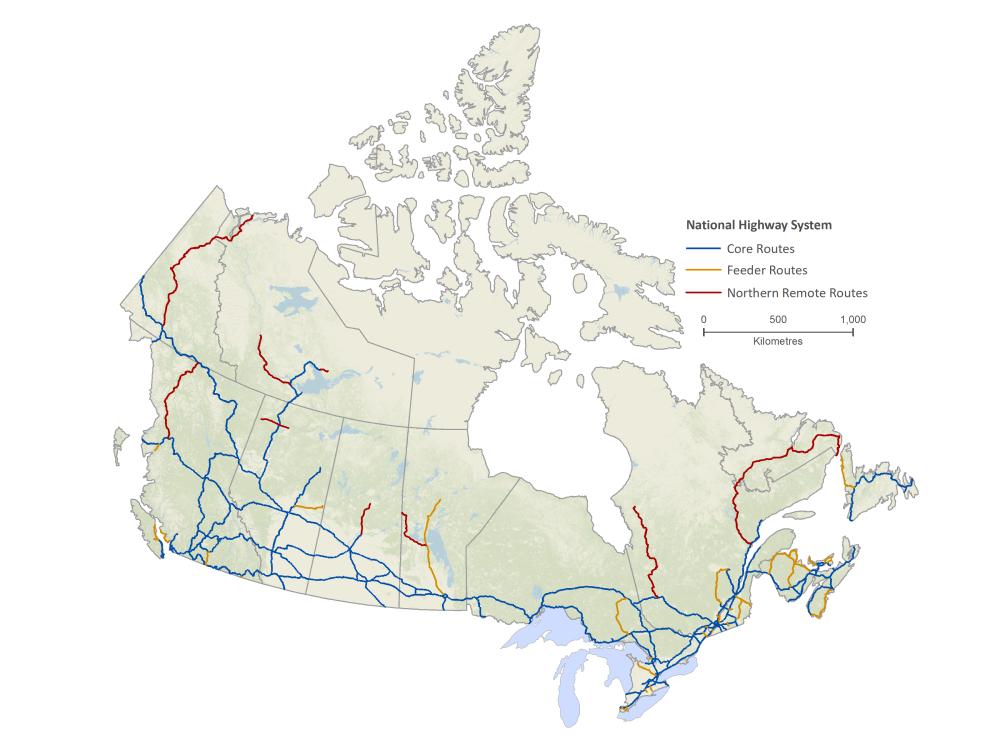
Canada’s vast multimodal transportation network consists of rail lines, roads, waterways and airports. These foundational transportation infrastructures allow people and goods to move across the country, between urban and rural communities, as well as to and from international countries and markets. This section presents an overview of Canada’s national and regional transportation networks.
With severe restrictions in place for most of the year due to COVID-19, international travel to and from Canada saw significant declines in 2020. Overall, the number of Canadian residents travelling abroad was down 74% year over year. Travel to the US, the most popular international destination for Canadians, declined by 76.2% while trips to other countries decreased by 66.3%.
Transportation is important for trade. It allows natural resources, agricultural products and manufactured goods to reach domestic and international markets.
The value of interprovincial merchandise trade totaled $166 billion in 2019, up 0.2% from 2018.